

The Building Blocks of Great Pesto
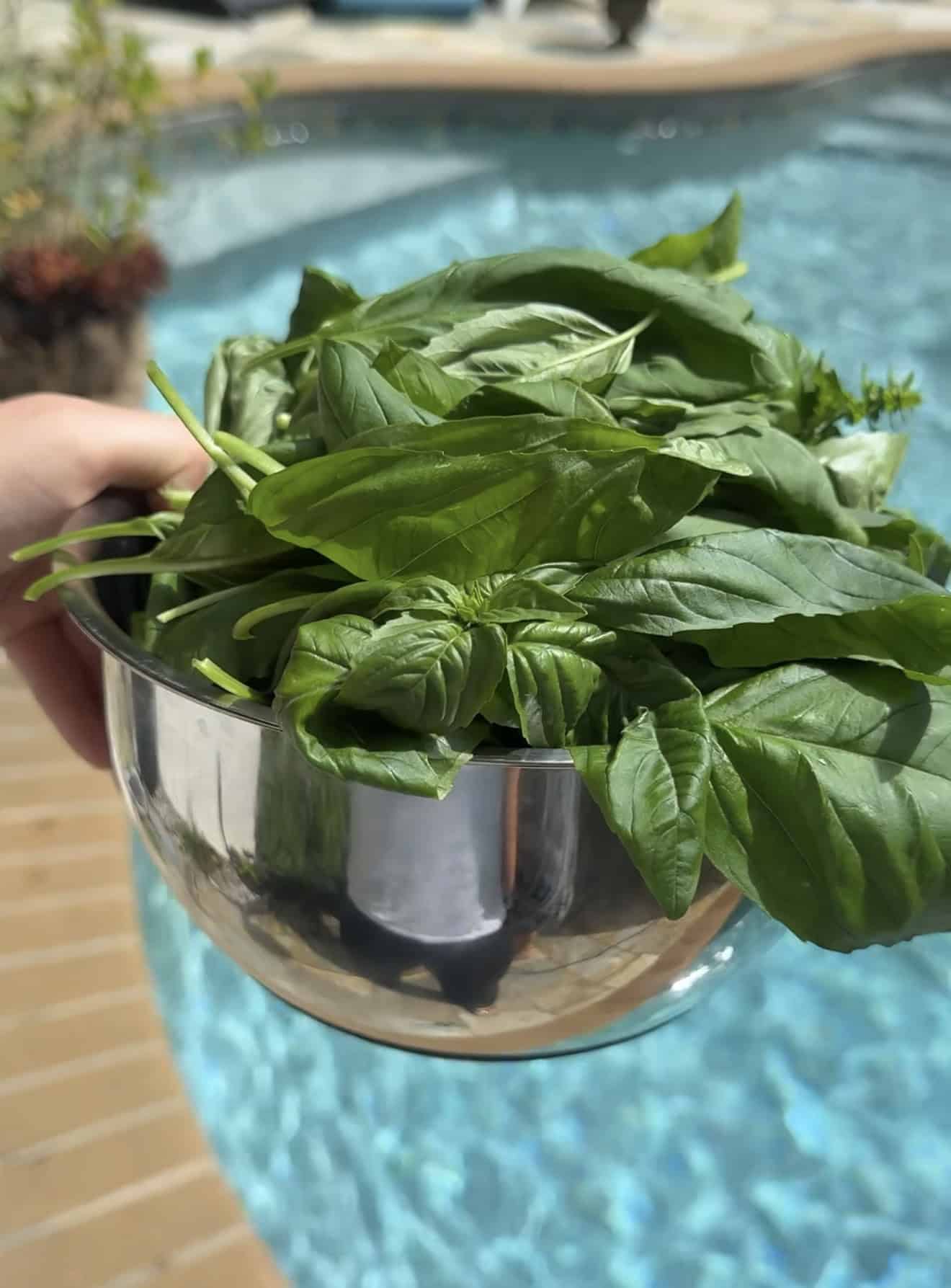
Pesto is one of my favorite condiments to keep in the fridge, especially during the summer when herbs seem to multiply faster than I can use them. It’s vibrant, fresh, packed with flavor, and instantly makes almost anything taste better.
While most people associate pesto with basil, what I love most about it is that it’s less of a recipe and more of a formula. Once you understand the basic building blocks, herbs, nuts, cheese, oil, and seasoning, you can create endless variations based on what you have available.
A handful of parsley becomes pesto. Extra mint from the garden becomes pesto. Even those herbs that are starting to wilt in the fridge can get a second life. Traditional pesto originated in the Liguria region of Italy and is typically made with basil, pine nuts, Parmigiano cheese, garlic, and olive oil. That classic version will always have my heart, but I also think understanding the technique gives you the freedom to make it your own.
This guide walks through the principles behind great pesto, plus a simple basil version that serves as the foundation for endless variations.
❤️ Why You’ll Love Pesto
- More of a formula than a recipe — Once you learn the ratios, you can create endless combinations based on what you have available.
- A great way to use extra herbs — Perfect for basil, parsley, mint, dill, chives, cilantro, and more before they go to waste.
- Comes together in minutes — Most pesto recipes require little more than a quick blend and a few simple ingredients.
- Incredibly versatile — Toss it with pasta, spoon it over proteins, spread it on sandwiches, or use it as a dressing.
- Freezer-friendly — Make a batch during peak herb season and enjoy a taste of summer year-round.
🍲 Ingredients
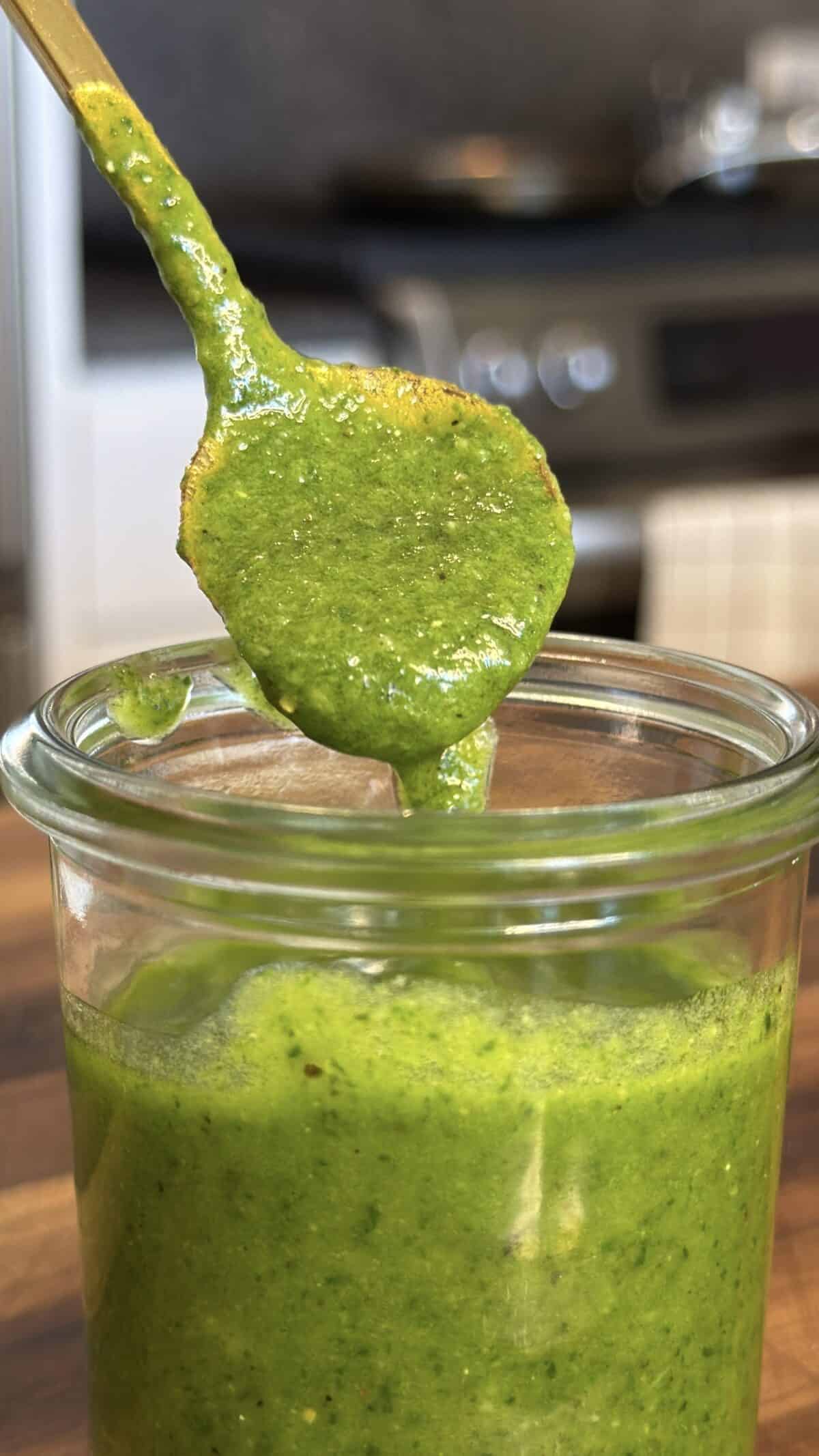
- Fresh Herbs — Delicate herbs such as basil, parsley, mint, dill, chives, cilantro, or tarragon. Tender herbs generally produce the best texture and brightest flavor.
- Nuts or Seeds — Pine nuts are traditional, but walnuts, pistachios, cashews, almonds, sunflower seeds, or pepitas all work beautifully.
- Aged Cheese — Parmigiano cheese is my go-to, but Pecorino Romano, Grana Padano, Asiago, or another hard aged cheese can be substituted.
- Oil — Extra virgin olive oil creates a classic Italian-style pesto. Neutral oils such as avocado oil allow the herbs themselves to take center stage.
- Garlic — Adds depth and savoriness.
- Acid — A squeeze of fresh lemon brightens the flavor and can help preserve the vibrant green color.
- Salt and Pepper — Essential for balancing and enhancing all the other ingredients.
👩🍳 How to Make Pesto
- Blanch the Herbs
Bring a pot of water to a boil and prepare an ice bath. Drop the herbs into the boiling water for about 5 seconds, then immediately transfer them to the ice bath. - Dry Thoroughly
Drain the herbs and pat them completely dry. I like spreading them onto a paper towel to absorb any excess moisture. The drier the herbs, the better the texture of your pesto. - Toast the Nuts
Add the nuts to a dry skillet over medium heat and toast for 1 to 2 minutes until fragrant. This simple step brings out their natural oils and adds tremendous flavor. - Build the Base
Add the herbs, toasted nuts, garlic, cheese, lemon juice, salt, and pepper to a blender, food processor, or mortar and pestle. - Blend and Add Oil Gradually
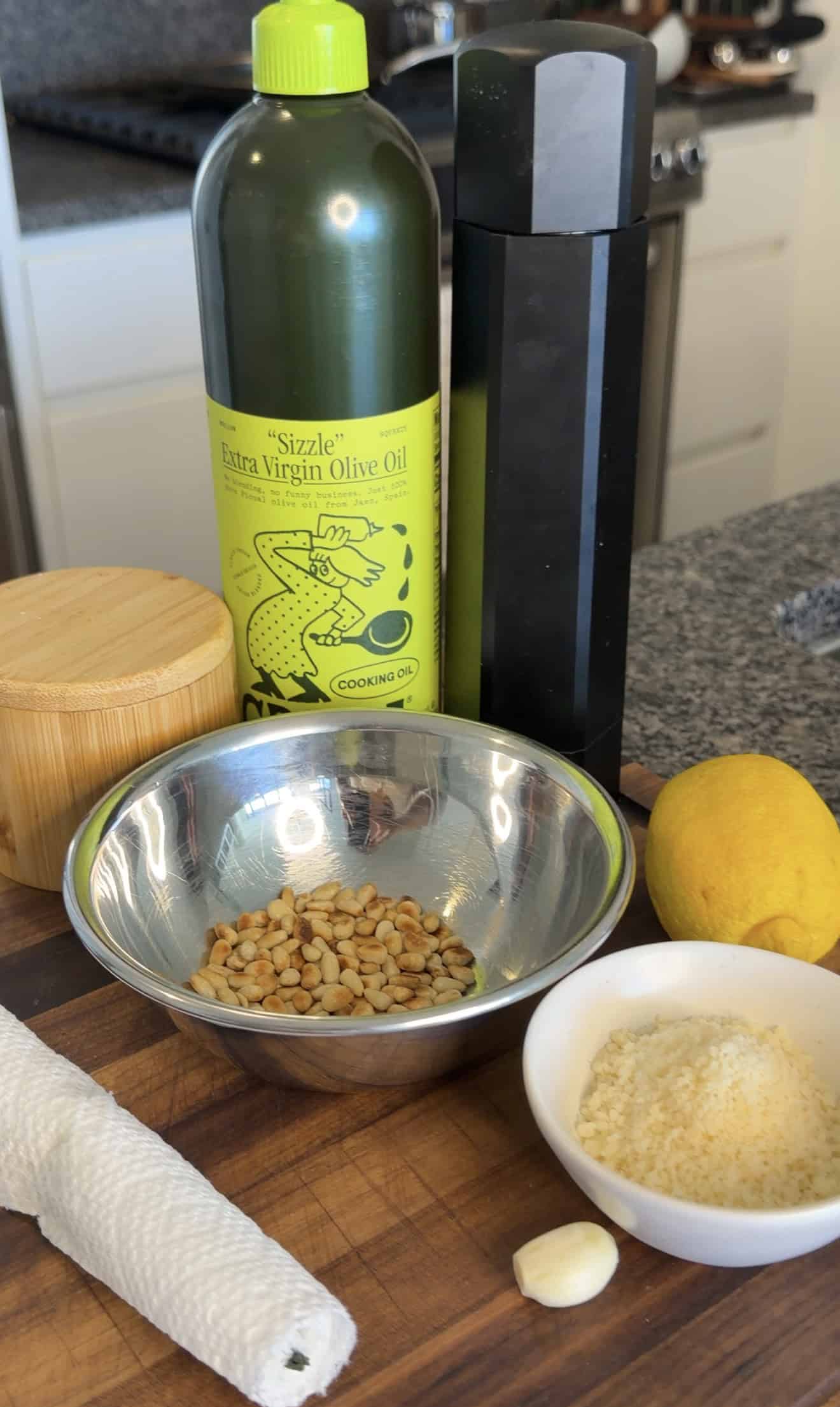
Begin blending while slowly adding the oil. Start with less than you think you’ll need and add more as necessary until you reach your desired consistency. - Taste and Adjust
Taste before serving. Add more salt, cheese, lemon, or oil as needed until everything feels balanced. - Use and Enjoy
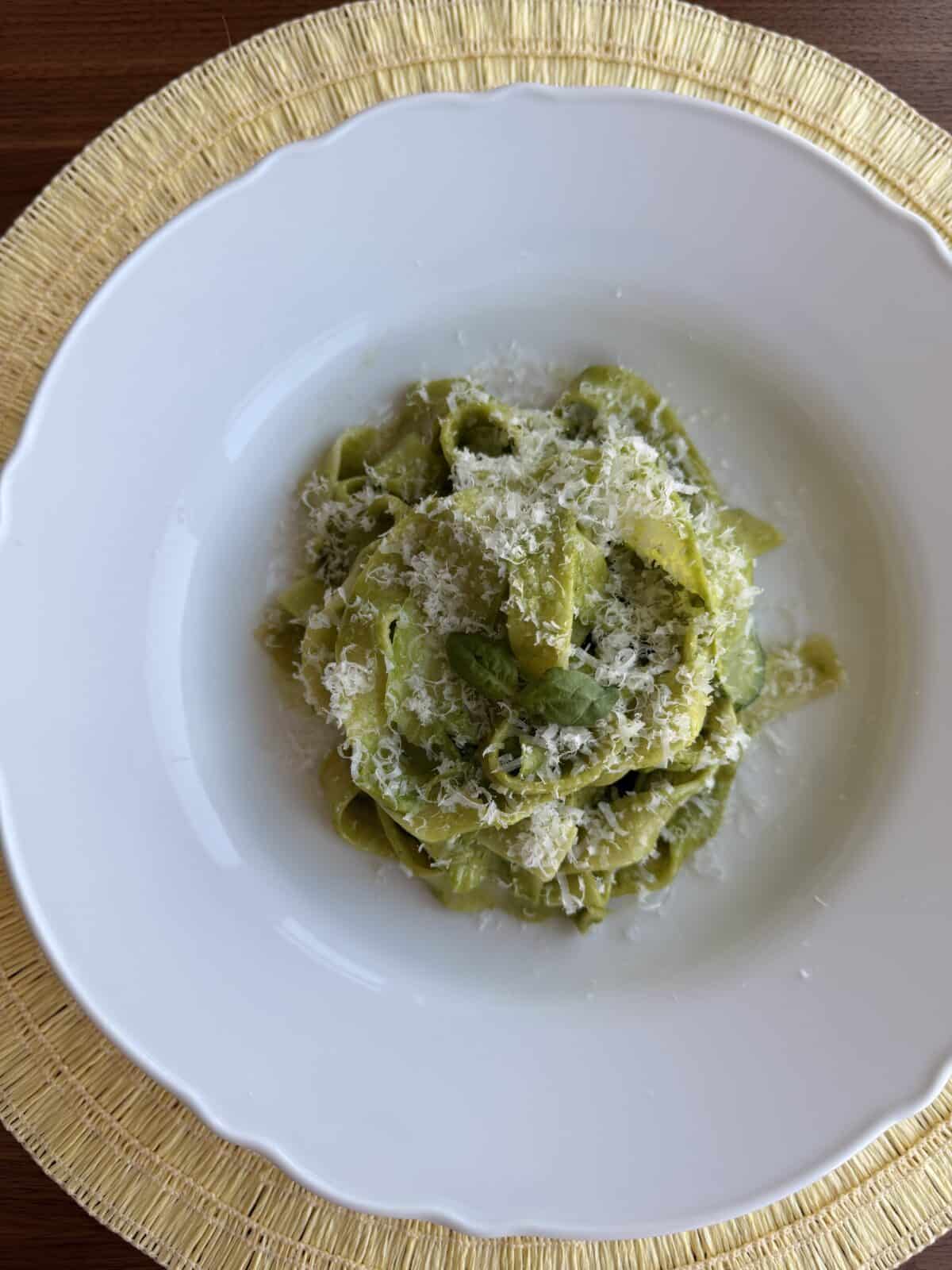
Toss with pasta, drizzle over grilled vegetables, spoon over seafood, spread onto sandwiches, or use as the base for a quick salad dressing.
🪄 Tips and Tricks
- Blanching herbs helps preserve their vibrant green color and keeps pesto looking fresher for longer.
- Dry the herbs thoroughly after blanching. Excess water can dilute flavor and affect texture.
- Toast your nuts. It takes only a minute or two and dramatically improves flavor.
- Start with less oil and adjust as needed. It’s always easier to thin pesto than to thicken it.
- A blender will produce the smoothest pesto, while a food processor creates a slightly more rustic texture.
- Pesto consistency should depend on how you’re using it. Keep it thicker for sandwiches and looser for pasta or dressings.
🗒 Substitutions
- Swap basil for parsley, mint, dill, chives, cilantro, tarragon, or a combination of herbs.
- Replace pine nuts with walnuts, pistachios, cashews, almonds, sunflower seeds, or pepitas.
- Substitute Parmigiano cheese with Pecorino Romano, Grana Padano, or another aged cheese.
- Use avocado oil or another neutral oil when you want the herb flavor to be the primary focus.
- Combine tender herbs with small amounts of rosemary, thyme, or sage for more complex flavor.
🧊 Leftovers
Store pesto in an airtight container in the refrigerator for up to 5 to 7 days.
For the best color, press plastic wrap directly against the surface or cover the top with a thin layer of oil before sealing.
Pesto also freezes beautifully for up to 3 months. I love freezing it in ice cube trays so I can pull out small portions whenever I need a quick burst of flavor.
It’s also one of my favorite ways to preserve herbs that are beginning to wilt, allowing you to enjoy those fresh summer flavors long after the season ends.
❓ FAQ
No, but I highly recommend it. Blanching helps preserve the bright green color and can extend the freshness of your pesto.
Absolutely. Walnuts, pistachios, cashews, almonds, sunflower seeds, and pepitas all make excellent alternatives.
Parsley is probably the most versatile, but mint, dill, chives, cilantro, and tarragon can all create delicious variations.
Yes. Pesto freezes extremely well for up to 3 months and is a great way to preserve extra herbs.
Basil Pesto
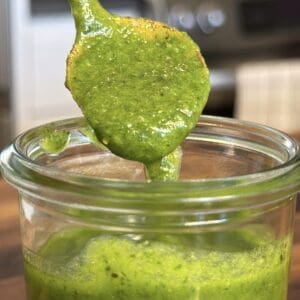
Ingredients
- 1 packed cup fresh basil leaves
- 2 tablespoons pine nuts
- 1 clove garlic
- 1/4 cup finely grated Parmigiano cheese
- 1 teaspoon fresh lemon juice
- Pinch kosher salt
- Freshly cracked black pepper
- 1/4 to 1/3 cup extra virgin olive oil
Instructions
- Bring a pot of water to a boil and prepare an ice bath.
- Blanch the basil for 5 seconds, then immediately transfer to the ice bath.
- Drain and dry thoroughly.
- Toast the pine nuts in a dry skillet over medium heat for 1 to 2 minutes.
- Add the basil, pine nuts, garlic, Parmigiano cheese, lemon juice, salt, and pepper to a blender.
- Blend while slowly streaming in the olive oil until smooth.
- Taste and adjust seasoning as needed.
- Serve immediately or store in an airtight container.
Nutrition
Nutrition information is automatically calculated, so should only be used as an approximation.




Turned out exactly as written